Why Spring Is the Riskiest Season for Springfield Basements
Spring in Springfield brings longer days and warmer temperatures, but it also brings a predictable pattern of water problems for homeowners. As the snowpack that accumulated over winter begins to melt, the ground becomes saturated faster than it can drain. At the same time, spring rainstorms add more water to already soaked soil. For basements, this combination creates hydrostatic pressure against foundation walls and floors, which is the leading cause of leaks, seepage, and standing water.
The local terrain makes things worse. Much of the region sits on dense glacial till and clay-heavy soils that drain slowly. When the ground is still partially frozen, meltwater cannot soak downward, so it runs along the surface and against foundations instead. Homes near the Connecticut River and its tributaries face an additional threat: when river levels rise, the water table climbs with them, pushing groundwater into basements through cracks and floor joints. Understanding these seasonal forces is the first step toward protecting your home before the next thaw.
How Snowmelt and the Spring Thaw Trigger Basement Leaks
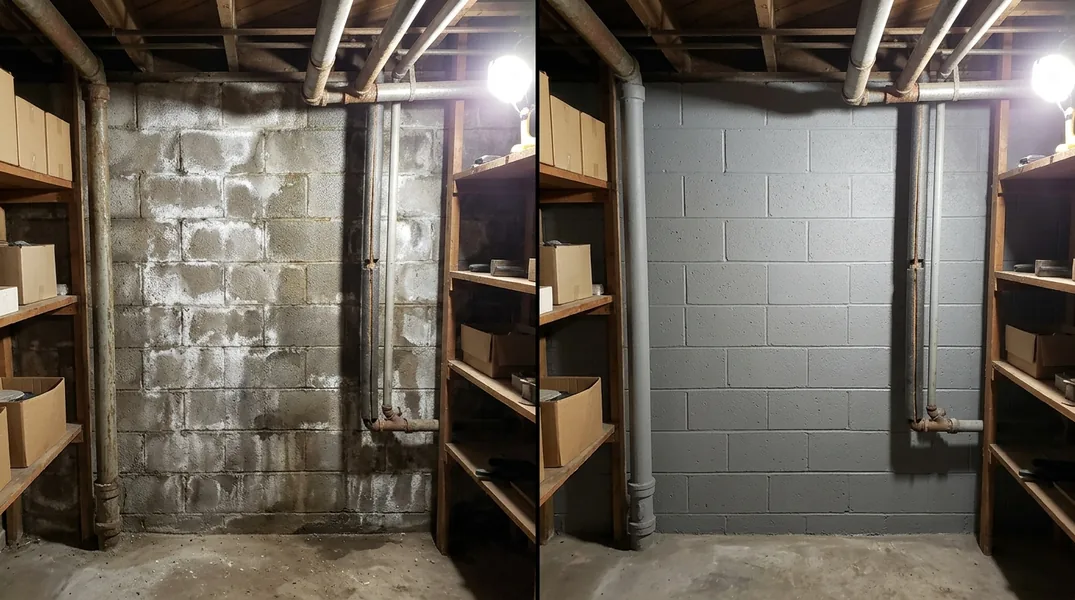
The spring thaw is a gradual process, but its effects on a foundation can be sudden. During the day, melting snow produces large volumes of water that pool around the house. At night, temperatures often drop below freezing again, refreezing the surface and trapping water against the foundation. This freeze-thaw cycle is hard on concrete and masonry. Small hairline cracks widen over time, mortar joints weaken, and water finds new paths into the basement. Homeowners often notice the first signs in early March: damp spots along the base of walls, white powdery efflorescence, or a musty odor that was not there in winter.
Poor drainage around the foundation makes snowmelt problems worse. If gutters are clogged with leaves or downspouts discharge too close to the house, roof runoff concentrates in the same saturated zone as the melting snow. Grading that slopes toward the foundation rather than away from it channels surface water directly into the problem area. A Basement Waterproofing assessment can identify which of these factors is putting your home at risk and recommend the right fix, whether that means improving drainage, sealing cracks, or installing a full interior system.
Connecticut River Flooding and High Water Tables: A Local Concern
The Connecticut River is one of Springfield's defining features, but it also shapes basement moisture risk. During a wet spring, river levels can rise quickly, and when the river is high, groundwater in nearby neighborhoods has nowhere to go. The water table rises, and basements that stay dry most of the year can suddenly take on water through floor cracks, cove joints, and sump pits. This is not limited to homes directly on the riverbank. Properties in low-lying areas of Chicopee and Agawam can experience the same groundwater pressure when regional waterways swell.
For homeowners in these areas, flood prevention needs to account for water coming from below, not just from rain above. A sump pump with a battery backup is essential because spring storms often knock out power exactly when the pump is needed most. An Interior Drain Tile System captures water at the perimeter and directs it to the sump, relieving pressure before it reaches the floor. In more severe cases, Exterior Basement Waterproofing can intercept groundwater before it ever touches the foundation, which is often the most effective long-term defense in high-water-table neighborhoods.
Flood Prevention Checklist for Springfield Homeowners
You do not need to wait for a crisis to protect your basement. A few practical steps each fall and early spring can dramatically reduce your risk. Start outside: clean gutters and downspouts, extend downspout discharge at least six feet from the foundation, and check that the ground slopes away from the house. Clear snow away from window wells and foundation walls as it accumulates, and make sure the ground around the foundation is not frozen solid before the first big melt. Inside, test your sump pump by pouring water into the pit, and consider a battery backup or water-powered backup if you do not have one.
It also helps to know what Foundation Waterproofing options are available before problems start. A professional inspection can spot early warning signs like bowing walls, cracked floors, or persistent dampness that a homeowner might overlook. If you have already experienced water in the basement, a flooded basement cleanup should begin with safety: shut off electricity to the affected area, remove standing water, and dry the space thoroughly to prevent mold. Once the immediate mess is handled, address the source so it does not happen again.
Basement Waterproofing Near Me: When to Call a Professional
Some homeowners can manage minor seasonal dampness with a dehumidifier and improved grading. But certain signs mean it is time to call a professional. Persistent water on the floor, walls that weep after every rain, a sump pump that runs constantly, or visible cracks that are widening all point to a structural water problem that DIY fixes will not solve. In Longmeadow and across the Springfield area, older homes with stone or block foundations are especially prone to these issues, and delaying repairs often leads to more expensive damage.
A reputable contractor will inspect the foundation, evaluate drainage and grading, and explain the cause of the problem before recommending a solution. Ask about pricing up front and request a written scope of work. Springfield Waterproofing offers a free estimate so you can understand your options without pressure. If you are seeing water this spring, call (413) 288-3958 to schedule an inspection and get ahead of the next thaw.
Looking for a professional basement waterproofing contractor in Springfield? Springfield Waterproofing responds fast for all your basement waterproofing needs.
Get a Free QuoteOur services: Basement Waterproofing · Interior Drain Tile System · Exterior Basement Waterproofing